

Consider This
Connecting you with what’s new.
From a must-know industry trend to what we simply find fascinating and want to share … this is the place! Check out the links below and let us know what you think!

Radio That Reaches Hearts
Behind many Christian radio ministries are teams quietly caring for listeners through prayer, encouragement, and crisis response. This story from Educational Media Foundation highlights how one phone call helped save a woman’s life—and why radio’s relational connection still carries enormous value. In an increasingly automated world, the article reinforces the importance of ministry voices that remain personal, compassionate, and present.
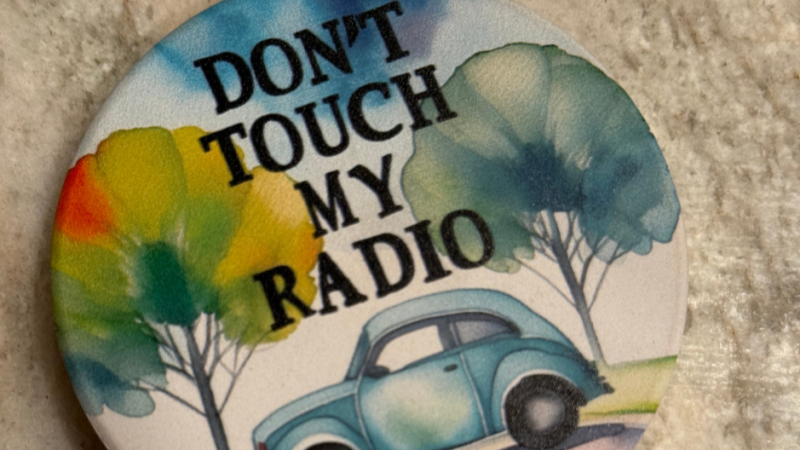
Don’t Touch My Radio
A simple phrase on a car coaster sparked a timely reminder from Ambassador’s own Lee Ann Jackson: radio still holds a trusted place in listeners’ daily lives. Lee Ann encourages stations to think beyond the microphone without losing what makes broadcast ministry effective in the first place. Her practical suggestions for listener interaction and community-building offer timely encouragement for ministries looking to deepen engagement.

A Blueprint for Broadcast
The stations finding success are focused less on chasing trends and more on serving their local communities well. From mentoring younger broadcasters to strengthening on-air personality and listener connection, the examples shared offer practical encouragement for ministries navigating today’s changing media landscape. It’s a thoughtful look at what still gives radio its unique strength and influence.

A Season for Discovery
A longer-than-usual summer means more travel, more community activity, and more opportunities for listeners to encounter radio in new ways. The article explores how stations can use seasonal habits to strengthen listener connection through local personalities, creative messaging, and community involvement. Even simple ideas can help a ministry broadcast sound more welcoming, memorable, and connected this summer.

Insight Over Instinct
As new media formats experiment with visuals, this article circles back to a foundational truth: audience insight matters. Even the most confident programming ideas can miss without listener input. For ministry programming,
it’s a helpful nudge to stay curious, ask questions, and respond thoughtfully.

The Shape of Faith Broadcasting
With 25% of U.S. AM/FM stations dedicated to faith content, religious broadcasting continues to hold a meaningful place in communities nationwide. Most listeners tune in for encouragement, teaching, and daily life guidance—reminding ministries of radio’s steady influence and opportunity. Explore how your broadcast fits into the bigger story.

Seeing Beyond the Headlines
Are we telling the full story about radio listening? This piece encourages a closer look at how research is interpreted and shared. While radio continues to reach many, real-world habits are evolving. For ministry broadcasters, that means embracing both truth and opportunity—strengthening community impact while adapting wisely.

Strengthening Radio’s Voice
Radio remains a powerful, trusted medium, but its perception hasn’t kept pace with reality. This article by Jess Hamilton, daughter of our very own Jennifer Perez, points to simple but strategic ways stations can respond—highlighting community impact, staying present beyond the broadcast, and backing it up with data. A helpful nudge to be intentional in how your ministry is seen and heard.

Radio at a Crossroads
A major automaker’s CEO recently suggested removing radios from entry-level vehicles, reigniting concern across broadcasting. Yet listener demand tells another story, as most car buyers still expect AM/FM access. As legislation to protect AM remains unresolved, this moment highlights radio’s role in safety and connection.

Giants of Radio and Beyond
From respected executives to well-known voices, this year’s “Giants of Broadcasting” class includes David Santrella of Salem Media Group, honored for his leadership in radio. Congratulations to him on this recognition, which highlights the lasting influence of strong broadcast stewardship. Explore the full list of honorees.

Radio’s Reach Still Leads
A new Nielsen report confirms what many ministries experience daily—radio still reaches 93% of U.S. adults each month, more than any other platform. From commute hours to daily routines, broadcast remains a consistent touchpoint for listeners. While written for advertisers, the takeaway is clear: your message is meeting people where they are.

Rethinking the 50+ Audience
Today’s 50+ listeners are active, tech-aware, and highly engaged—far from outdated stereotypes. They continue to choose radio as a trusted companion, offering ministries a steady and receptive audience. While the advice is intended for a secular setting, the encouragement applies: understanding your listeners leads to stronger connection.
Steady Signals in a Shifting Landscape
New research confirms what many ministries already see—radio remains a steady, trusted companion. With 84% weekly reach among adults 25–64 and the majority of listening still happening through traditional AM/FM, broadcast continues to hold its ground. Even as new platforms grow, they’re not replacing radio. For ministries, that’s an encouraging reminder of radio’s ongoing impact.

Radio Still Leads the Drive
There’s good news—radio remains the top choice for in-car listening by a wide margin. But beyond the dashboard, habits are evolving, even among loyal audiences. For ministries, this highlights both stability and opportunity. Your broadcast continues to meet people where they are—explore how these trends could shape your approach moving forward.

A Bigger, Faithful Audience
Listeners ages 55–64 aren’t fading—they’re engaged, consistent, and still tuning in. Expanding the focus to 25–64 reveals a larger, attentive audience that values broadcast radio. For ministries sharing hope-filled content, that’s an encouraging opportunity to reach more hearts. This perspective may reshape how you think about your audience—read more to see the full picture.

Growth Rooted in Purpose
Christian radio continues to gain ground, with notable audience growth and strong listener loyalty. Its strength lies in meaningful connection—offering encouragement, community, and a consistent voice listeners trust. While written broadly, the insight applies to ministry broadcasts: connection matters. Take a moment to explore what’s helping this format thrive.

More Alive Than Ever
Radio isn’t fading—it’s evolving. With unmatched weekly reach and consistent trust ratings, broadcast continues to serve communities in ways other platforms struggle to replicate. Listeners still respond to on-air invitations and local presence. Jess Hamilton, daughter of our very own Jennifer Perez, shares a thoughtful, next-generation perspective on why radio remains essential. Take a closer look.

Ministry Beyond the Microphone
Your listeners aren’t only tuning in—they’re engaging online in growing numbers, including older generations. That reality invites ministries to think strategically about continuing conversations beyond the airwaves. With quality content now driving visibility, reach is no longer limited by numbers. See how this broader perspective could support your ministry’s long-term relevance.

Strengthening What You’ve Built
One standout insight: the biggest growth opportunity often sits within existing relationships. Rather than chasing only new partners, high-performing stations deepen current connections with clear, integrated strategies. For ministry leaders stewarding listener trust, that’s a meaningful reminder. Read how these five steps can sharpen your approach.

Challenging Industry Assumptions
Broader media often misreads Christian radio as narrow or behind the times. In reality, many ministries are leading with professional excellence, creative programming, and remarkable listener loyalty. Authentic voices and purpose-driven content continue to resonate. Take a look at how respected leaders are reframing the conversation—and what it affirms about your work.

Radio’s Credibility Advantage
In a fragmented media world, radio leads in trust and weekly reach, outpacing other major platforms. Listeners rely on it for news, weather, and community connection—and many feel personally connected to their favorite voices. For ministries, that relational trust strengthens every broadcast message. The research offers encouraging data worth exploring. Read more to see why radio’s role is still vital.

Women Choose Radio
Radio ranks highest in trust among women, per new data from Katz Radio Group. Audio fits naturally into busy routines without competing for screens, reinforcing reliability over time. For ministries, that daily companionship creates space for meaningful message delivery. Explore the research and reflect on how your broadcast serves women and families.

Reaching Gen Z Where They Are
While Gen Z is often labeled disengaged from faith, this article reframes that reality as opportunity. Many young adults won’t walk into a church, but they will listen. For Christian radio ministries, this reinforces the value of clear mission, trusted voices, and consistent broadcast presence. The encouragement: don’t chase headlines—stay focused on meeting listeners where life already happens.

Story Before the Signal
In a world full of media options, slowing down to define the heart of the message is key before deciding how to deliver it. The principle applies directly to radio ministry: strong programs flow from clear purpose, not pressure to “be everywhere.” Focused storytelling builds trust, consistency, and deeper listener connection. A thoughtful read for ministry broadcasters.

CES Signals for Radio
CES 2026 offered a clear reminder that broadcast radio still belongs at the center of the conversation—especially in the car. From AI-driven tools to evolving dashboards, the focus wasn’t replacing radio but reshaping how it’s accessed and supported. While the insights come from a secular setting, the encouragement translates well for ministry broadcasts that value human connection, local presence, and clarity of mission in a fast-changing technical landscape.

Listener Life Stages Matter
A large national survey of Christian radio listeners shows that today’s audiences span a wide range of marital experiences. With many listeners navigating remarriage, loss, or singleness, teaching programs don’t land the same way for everyone. This context can help ministries think more intentionally about how and when they address marriage and family topics on air. The findings offer valuable perspective for ministries shaping compassionate, relevant broadcasts.

A Positive Giving Outlook
After two years of decline, cash giving is trending upward again according to ECFA’s new State of Giving report. Churches are seeing stronger gains, and most ministries report rising demand for their services and programs. This combination of generosity and growth presents both opportunity and responsibility for ministry leaders. Read the full report free with email registration.

Faith, Belonging, Momentum
Barna’s 2025 trends tell a hopeful story: belief in Jesus is increasing, young adults are reengaging, and relationships remain central to faith formation. For radio ministries focused on reaching listeners beyond church walls, this research affirms the ongoing relevance of thoughtful, mission-driven broadcasting. The article offers a clear snapshot of where curiosity and commitment are intersecting right now—worth a closer look.

What Defined Radio in 2025
From audience measurement to community impact, 2025’s most-read radio articles point to a steady truth: broadcast radio continues to resonate. Listener loyalty, local relevance, and meaningful engagement remained central themes all year. While the examples come from a commercial context, the encouragement applies easily to ministry broadcasts seeking faithful reach. Explore the list for a helpful year-in-review!

A Spotlight on Ministry Broadcasters
Christian radio’s growing influence is getting industry attention as Radio Ink launches its inaugural Christian Radio Champions list. The article invites nominations of on-air talent, leadership, and ministry professionals helping broadcasts connect deeply with listeners and communities. Submissions are open through January 9, offering a timely chance to highlight faithful work happening across Christian radio.

The Strength of “Always On”
As attention becomes more divided, audio becomes more valuable. Research shows listeners weave radio into work, commutes, chores, and even rest—spaces where visual media can’t follow. For ministries, that means more moments to encourage, teach, and point people to Christ. Though the study speaks broadly about media habits, it offers a hopeful reminder of the ministry potential in ordinary hours.
Why the Dial Still Wins
With 87% of broadcast listening still happening on conventional receivers, Edison Research highlights radio’s resilience—especially in the car, where almost all listening comes through the dial. While smart speakers and mobile devices grow slowly, they’re not replacing radio’s accessibility. For ministry teams, it underscores radio’s ongoing impact.

Growing Beyond One Format
Organizations can thrive by creating multiple “doorways” for audiences through fresh content, not just digital distribution. With insights from the New York Times’ surprising pivots, it suggests ministries can also test new ideas, tap staff creativity, and strengthen community around meaningful content. A helpful spark if you’re exploring new ways to engage listeners.

Radio’s Relational Advantage
Audacy’s findings show that while social feeds scroll by in seconds, audio is chosen time. Listeners come for the connection. Though framed for a secular audience, it affirms what ministries experience daily: trusted hosts build real community. It highlights radio’s lasting influence and why authentic presence matters.

Five Questions Shaping Audio
SiriusXM’s latest report tackles five big questions that are changing the landscape of podcasting: video vs. audio intimacy, audience connection, AI’s role, measurement impact, and content safety. Each explores how creators maintain meaningful listener relationships. Ministry broadcasters can draw inspiration on keeping their programs engaging, authentic, and connected.

Crafting Radio that Listeners Can See
Susan Stamberg once said, “The pictures are better on radio.” Through sound, pacing, and sensory detail, broadcasters create imagination-rich moments that visuals can’t touch. For Christian programs, it’s a reminder that words carry life and power—especially when they help listeners see truth in a fresh way.

Authentic Voices Still Win Hearts
New research suggests audiences dislike AI voices only when they know they’re artificial. It’s not about the tech—it’s about honesty and connection. For Christian broadcasters, that’s a reminder that authenticity builds trust. Explore how your ministry’s real, compassionate voice continues to make a lasting impact on listeners.

Radio’s Reach Proves Unmatched
New Nielsen data confirms what broadcasters already know—know—radio continues to lead the way in reach and reliability. With 92% of U.S. adults tuning in monthly, radio’s stability outpaces social and streaming platforms. Encouraging news for ministry broadcasters: listeners are tuning in longer and more often. Read how these findings affirm radio’s enduring impact in today’s media mix.

Mission and Tone Drive Engagement
Finney Media’s latest survey confirms that authenticity and mission-centered communication are vital for radio ministries. Eight in ten listeners leave when broadcasts sound angry or judgmental, while many give financially when they sense God’s call through clear vision. The takeaway? Tone isn’t a detail—it’s the heart of listener trust.


